Electricity demand is entering a new phase. Artificial intelligence, cloud services and large data centres are adding concentrated loads that must operate around the clock. At the same time, electrification in industry, transport and buildings is increasing pressure on local distribution networks.
Power demand is accelerating
The International Energy Agency expects global electricity demand to grow by about 3.6% in 2026 and 3.8% in 2027. In the United States, data centres are expected to account for around half of electricity-demand growth through 2030. These changes are bringing transformer capacity, switchgear reliability and network flexibility back to the centre of project planning.
What changes for power-distribution equipment?
High-density digital facilities need stable voltage, dependable protection and equipment that can tolerate sustained loading. Transformer selection must therefore consider more than the nameplate rating. Load profile, ambient temperature, expected expansion and acceptable losses all affect the final specification.
Transformer capacity: allow practical thermal margin for continuous loads and future expansion.
Protection coordination: match medium-voltage switchgear, circuit breakers and relays to the system study.
Service continuity: use maintainable layouts and clearly defined isolation arrangements to reduce operational risk.
Planning for flexibility
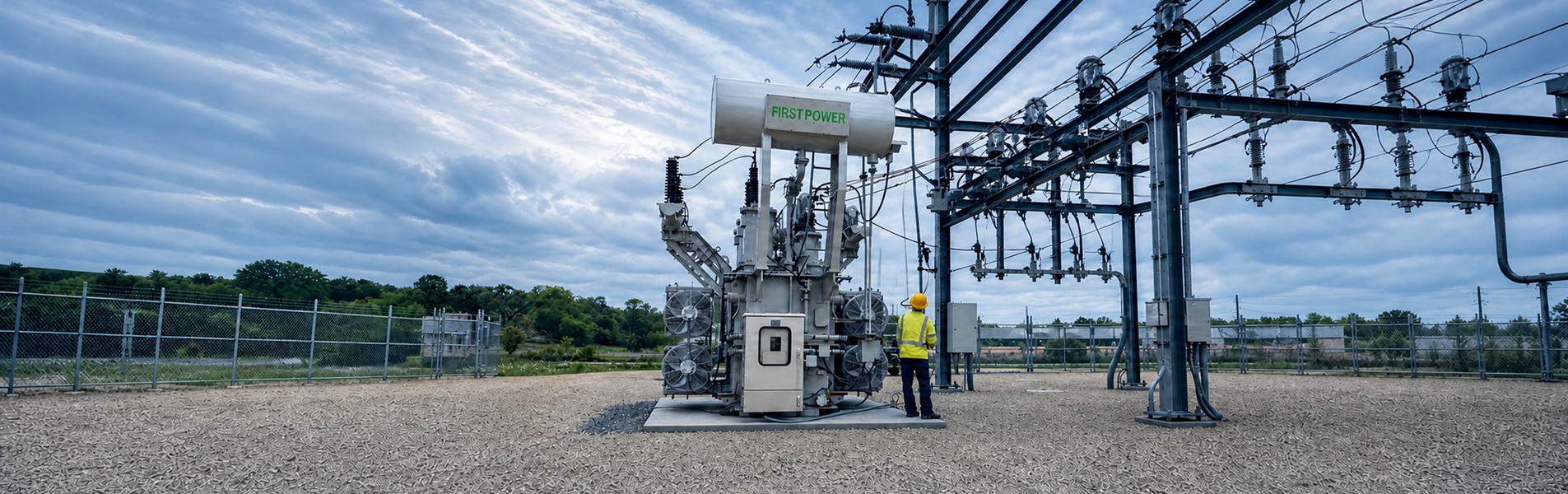
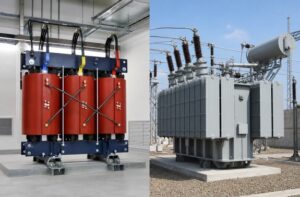
Not every project requires the same transformer technology. Oil-immersed units remain a practical choice for many utility and outdoor applications, while dry-type transformers are often considered for indoor installations where fire performance, ventilation and maintenance access are important. Medium-voltage metal-clad or load-interrupter switchgear can then be selected according to voltage level, fault duty and operating requirements.
Early coordination between the load study, transformer specification and protection design helps avoid oversized equipment, insufficient capacity and late-stage changes. It also creates a clearer path for future renewable generation, battery storage or additional computing loads.
O inversor fotovoltaico, enquanto componente importante da produção de energia fotovoltaica, tem como principal função converter a corrente contínua emitida pelos módulos fotovoltaicos em corrente alternada. O inversor não só tem a função de conversão direta para corrente alternada, mas...
Com o rápido desenvolvimento da tecnologia fotovoltaica, as células solares de perovskita (PSCs), com elevada eficiência e baixo custo, têm suscitado grande interesse, pois têm o potencial de substituir as células tradicionais de silício cristalino. Em particular, as flexíveis...
Antes de definir as especificações do seu projeto, compare os transformadores de tipo seco e os imersos em óleo em termos de refrigeração, instalação, manutenção, segurança contra incêndios, eficiência e aplicação.
Os prazos de entrega dos transformadores e as cadeias de abastecimento da rede continuam a ser importantes em 2026. Analise as características elétricas, as condições de instalação, a eficiência, a certificação e a documentação que os compradores devem verificar antes de efetuarem a encomenda.
 Categorias em destaque












Enviar um pedido de informação sobre o produto
Entraremos em contacto consigo no prazo de 24 horas