Electricity demand is entering a new phase. Artificial intelligence, cloud services and large data centres are adding concentrated loads that must operate around the clock. At the same time, electrification in industry, transport and buildings is increasing pressure on local distribution networks.
Power demand is accelerating
The International Energy Agency expects global electricity demand to grow by about 3.6% in 2026 and 3.8% in 2027. In the United States, data centres are expected to account for around half of electricity-demand growth through 2030. These changes are bringing transformer capacity, switchgear reliability and network flexibility back to the centre of project planning.
What changes for power-distribution equipment?
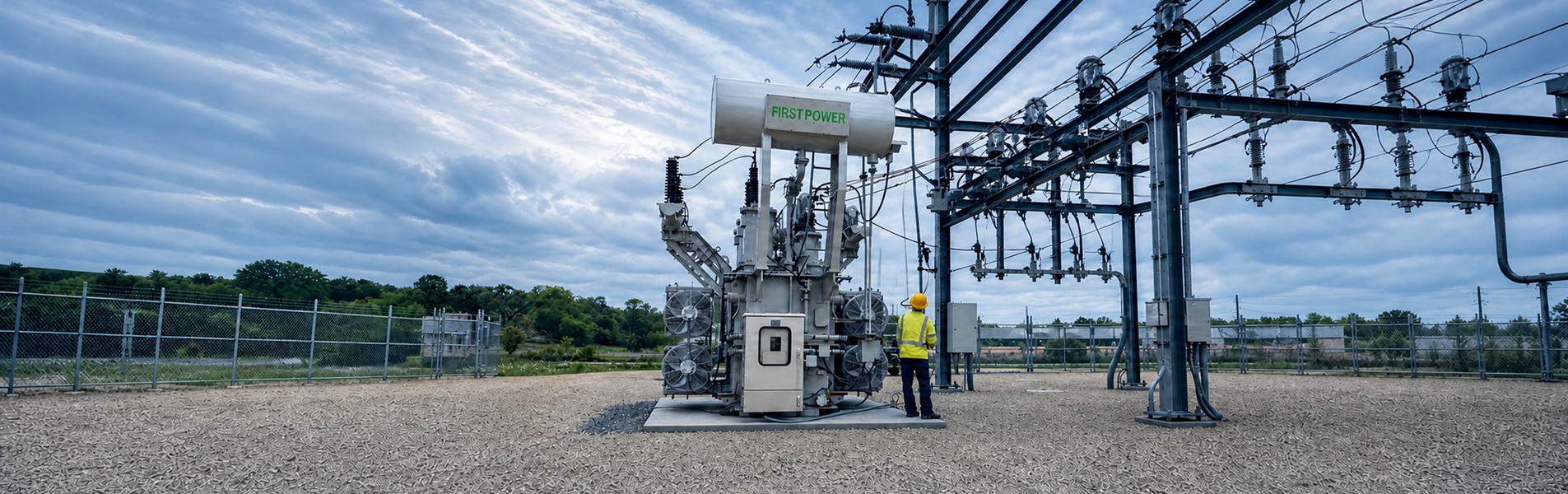
High-density digital facilities need stable voltage, dependable protection and equipment that can tolerate sustained loading. Transformer selection must therefore consider more than the nameplate rating. Load profile, ambient temperature, expected expansion and acceptable losses all affect the final specification.
Transformer capacity: allow practical thermal margin for continuous loads and future expansion.
Protection coordination: match medium-voltage switchgear, circuit breakers and relays to the system study.
Service continuity: use maintainable layouts and clearly defined isolation arrangements to reduce operational risk.
Planning for flexibility
Not every project requires the same transformer technology. Oil-immersed units remain a practical choice for many utility and outdoor applications, while dry-type transformers are often considered for indoor installations where fire performance, ventilation and maintenance access are important. Medium-voltage metal-clad or load-interrupter switchgear can then be selected according to voltage level, fault duty and operating requirements.
Early coordination between the load study, transformer specification and protection design helps avoid oversized equipment, insufficient capacity and late-stage changes. It also creates a clearer path for future renewable generation, battery storage or additional computing loads.
مع التطور السريع لتكنولوجيا الطاقة الكهروضوئية، حظيت الخلايا الشمسية البيروفسكايتية (PSCs)، التي تتميز بكفاءة عالية وتكلفة منخفضة، باهتمام كبير، حيث تتمتع بإمكانية استبدال الخلايا التقليدية المصنوعة من السيليكون البلوري. وعلى وجه الخصوص، فإن الخلايا المرنة...
تظل المدد الزمنية لتوريد المحولات وسلاسل التوريد الخاصة بالشبكات الكهربائية من العوامل المهمة في عام 2026. يرجى مراجعة المواصفات الكهربائية وشروط التركيب والكفاءة والشهادات والوثائق التي يجب على المشترين التأكد منها قبل تقديم الطلبات.
يتسارع الطلب العالمي على الكهرباء في الفترة 2026–2027. اكتشف لماذا تُعد كفاءة المحولات، وسعة الشبكة، وتحديد المواصفات في مرحلة مبكرة، والتخطيط المنسق للمعدات الكهربائية أمورًا مهمة لمشاريع الطاقة الجديدة.
أظهرت البيانات الصادرة عن وزارة الصناعة وتكنولوجيا المعلومات أن إنتاج جميع مراحل سلسلة صناعة الطاقة الكهروضوئية قد سجل مستوى قياسيًا في عام 2022. فقد بلغ إنتاج البولي سيليكون، ورقائق السيليكون، والخلايا، والوحدات الكهروضوئية في الصين...
 الفئات المميزة












إرسال استفسار عن المنتج
سنتصل بك في غضون 24 ساعة